Have you ever felt mentally foggy or emotionally off after a heavy meal or during digestive discomfort? It’s not just in your head, but rather your gut. The connection between our digestive system and the brain is profound, influencing our mood, cognition, and overall mental health.
The Gut-Brain Axis: A Two-Way Communication
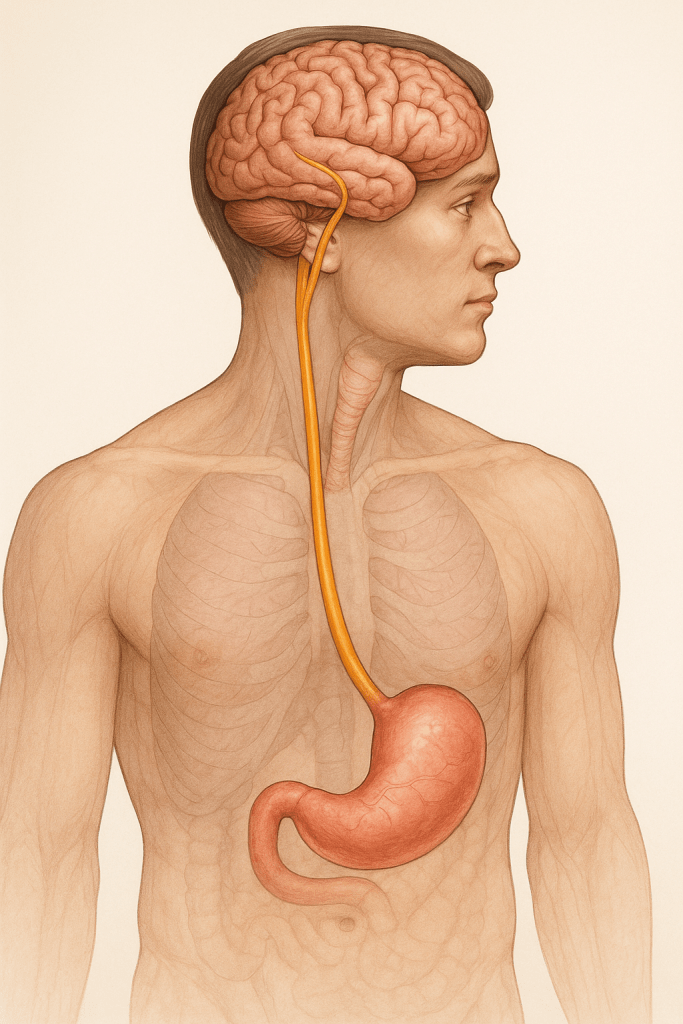
The gut-brain axis is a complex, responsive communication system linking the central nervous system (brain and spinal cord) with the enteric nervous system (the gut’s nervous system). This connection allows the brain and gut to communicate through neural, hormonal, and immunological pathways.
One of the primary channels of this communication is the vagus nerve, the longest cranial nerve in the body. It transmits signals between the brain and various organs, including the stomach and intestines, playing a crucial role in regulating digestive processes and relaying information about the state of the gut to the brain.
Serotonin: The Happy Hormone Originating in the Gut
Serotonin is a neurotransmitter often associated with mood regulation, commonly known as the “happiness hormone.” Interestingly, most of the body’s serotonin is produced in the gastrointestinal tract, not the brain. Specialized cells in the gut lining, known as enterochromaffin cells, synthesize serotonin, which is pivotal in regulating intestinal movements and influences mood and emotional well-being.
How Gut Health Influences Brain Function
An unhealthy or imbalanced gut can significantly impact brain function. Inflammation of the gut lining can lead to increased intestinal permeability (leaky gut), allowing undigested food, bacteria and toxins to enter the bloodstream and trigger a systemic inflammation that affects brain function. Microbiome Imbalance of the gut influences neurotransmitter production. An imbalance can disrupt the production of serotonin, leading to mental health disorders. Vagus Nerve Signaling can send distress signals via the vagus nerve, affecting mood and cognitive functions. Digestive issues can impair nutrient absorption, leading to deficiencies affecting brain health.
The Impact of a Full Stomach on Mental Clarity
Overeating or consuming heavy meals can lead to a phenomenon known as “postprandial somnolence,” commonly referred to as a food coma. This state is presented as excessive drowsiness and reduced mental alertness following a large meal. The body’s energy is directed towards digestion, reducing blood flow to the brain, which can result in temporary cognitive impairment.
Conclusion: Embracing the Gut-Brain Connection for Mental Well-being
Understanding the intricate relationship between our gut and brain empowers us to make informed choices that benefit our digestive and mental health. By nurturing our gut through a balanced diet, regular exercise, and stress management, we can enhance our mood, cognitive function, and overall well-being.
Remember, a healthy gut fosters a healthy mind.
https://my.clevelandclinic.org/health/body/the-gut-brain-connection
https://www.amymyersmd.com/blogs/articles/vagal-tone
https://www.apa.org/monitor/2012/09/gut-feeling
https://www.sciencedirect.com/science/article/pii/S0002927000019705

 Food Hypocrites
Leave a comment