As I continue on the journey to keep my family healthy, I am very concerned about the food we eat. I’ve been paying more attention lately to where our food comes from, especially when I see labels like “greenhouse-grown.” These climate-controlled structures can grow food almost anywhere from deserts to snowy regions and promise consistent high-yield crops. It made me wonder: is greenhouse farming a good thing? Or are we losing something when we remove food from its natural environment? Let’s explore the benefits and shortcomings of using a greenhouse compared to growing food in its natural environment.
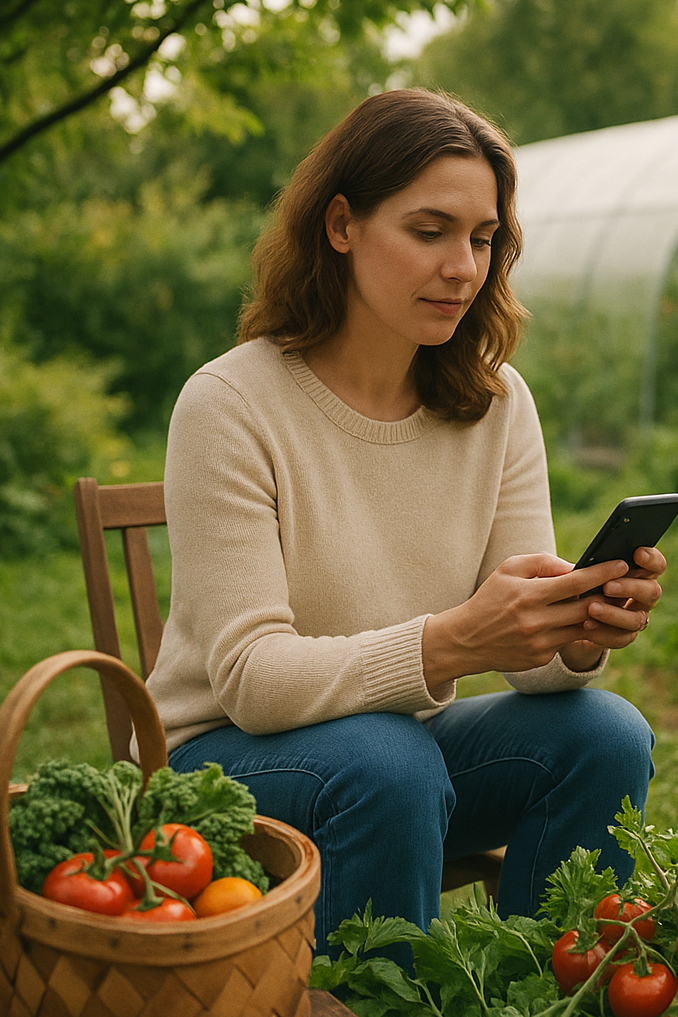
Why Greenhouses Sound Like a Great Idea
One of the most significant benefits of greenhouses is that they produce food in every season. That means fresh local tomatoes in winter or strawberries in the fall. Greenhouses are protected from bad weather and pests, resulting in less crop loss and fewer chemicals use. This is a great option for families trying to eat clean on a budget. Locally grown produce means less transportation time and better job stability for farmers.
But Is It Too Good to Be True?
Some studies suggest that greenhouse crops may have slightly lower nutrient levels than soil-grown produce.“Hydroponically grown crops tend to be slightly lower in some micronutrients, although macronutrient content (like carbs and protein) is often similar.” Journal of Agricultural and Food Chemistry, 2018. Energy Use is another factor that we need to consider when understanding greenhouses. A lot of electricity, heat, and water is required for systems operation, especially in cold environments. Greenhouse-grown food can be confused with genetically modified, but it is rather altering the environment of the crop and not changes to the plant DNA. When we control every aspect of how a plant grows, we are still working with nature but also replacing elements of it.
What’s the Best Choice?
Honestly, I think it comes down to balance. Greenhouses are vital in environments where farming is difficult due to adverse weather. I love the idea of being able to feed my kids fresh food all year, but I also believe that real, soil-grown, sun-fed food is still the gold standard when it comes to flavour and nutrition. Supporting local farmers, eating with the seasons, and growing what we can at home (even herbs!) are all ways we can stay grounded in nature.
The greenhouse is a creative solution for a growing world. Whether it’s a tomato from your garden or one from a local greenhouse, being informed helps us make healthier choices at home and that’s what truly matters.
Journal of Agricultural and Food Chemistry (2018).
Comparative Nutrient Content of Hydroponic vs. Soil-Grown Leafy Greens.
https://pubs.acs.org/journal/jafcau
Environmental Science & Technology (2020).
Carbon Footprint Analysis of Greenhouse Vegetable Production Systems.
https://pubs.acs.org/journal/esthag
Nature Food (2021).
Influence of Growing Environment on Tomato Flavor Compounds.
https://www.nature.com/natfood
The New Food Economy (2019).
Are We Replacing Nature with Technology in Agriculture?
https://thecounter.org (formerly The New Food Economy)

 Food Hypocrites
Leave a comment