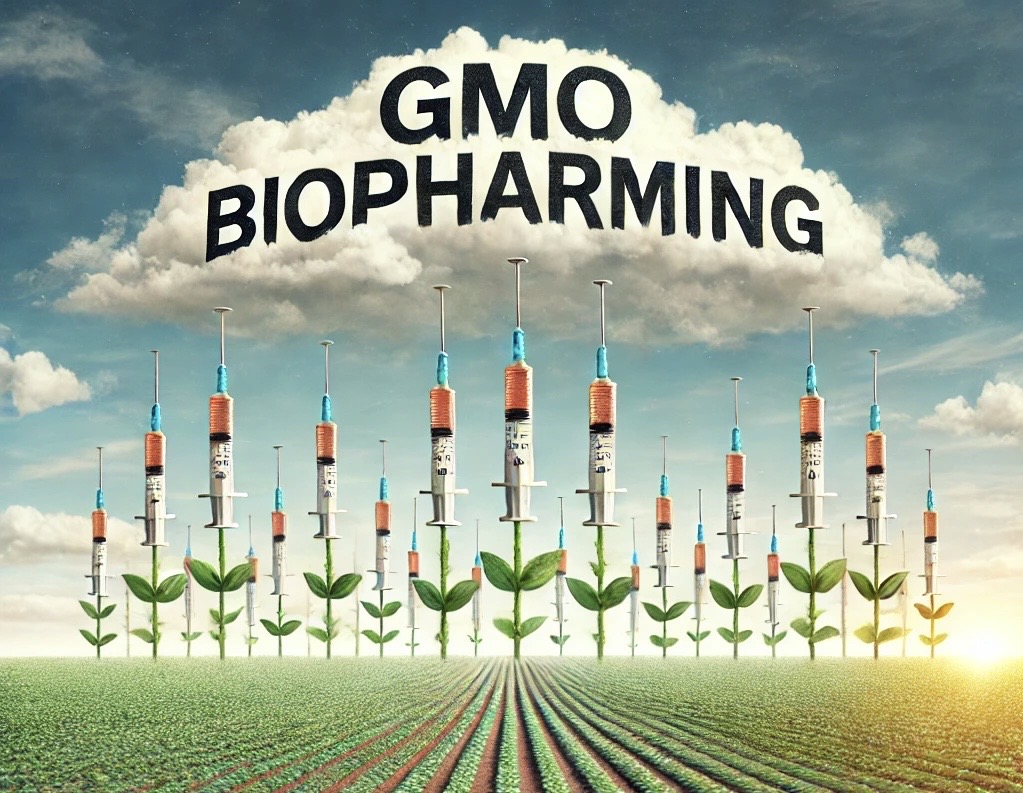
Biopharming, or pharmaceutical farming, uses genetically modified (GM) plants to produce medical substances such as vaccines, antibodies, and restorative proteins. This innovation bridges biotechnology and agriculture to create functional treatments for all.
How Biopharming Works
Scientists modify plants at the genetic level to produce medically valuable compounds. The plant produces these compounds within its tissues, which are later harvested and extracted for medical use. These are some Key Applications of Biopharming:

1. Plant-Based Vaccines
Biopharming allows scientists to grow edible vaccines in crops. These genetically modified plants produce antigens that trigger an immune response when consumed, potentially providing an alternative to traditional injected vaccines. These plants are used for vaccines due to their capacity to be infected by a large number of viruses. Potatoes and tomatoes have been engineered to produce hepatitis B antigens, offering a possible oral vaccine solution. This method could be particularly useful in developing countries where vaccine storage and transportation pose challenges.
2. Monoclonal Antibodies and Therapeutic Proteins
Monoclonal antibodies (mAbs) are crucial for treating cancer, autoimmune diseases, and viral infections. These antibodies were traditionally produced in mammalian cell cultures and are now created in genetically modified plants such as tobacco. The ZMapp drug for Ebola treatment was made using GM tobacco plants. Plant-based antibody production significantly reduces costs and allows for faster large-scale production.
3. Insulin and Enzyme Production
Certain plants, such as GM safflower and corn, have been engineered to produce insulin and enzymes required for treating metabolic disorders. Corn has been genetically modified to produce lipase, an enzyme that helps patients with cystic fibrosis digest food. This provides an affordable and sustainable alternative to animal-derived enzymes.
4. Blood Clotting Factors for Hemophilia
Patients with hemophilia require clotting factors to prevent excessive bleeding. Scientists have modified plants such as tobacco and maize to produce Factor IX, a crucial protein for blood clotting. This method provides a safer and more cost-effective alternative to traditional human or animal-derived clotting factors.
5. Anti-diarrheal and Antimicrobial Proteins
Diarrheal diseases cause millions of deaths each year, particularly among children in developing nations. Genetically engineered rice has been grown to produce human proteins like lactoferrin and lysozyme, which help treat diarrhea and support gut health. This approach can offer an accessible and sustainable treatment for common childhood illnesses.
Advantages of Biopharming
Unlike traditional pharmaceutical production, which relies on expensive fermentation systems, plants are cost-effective and can be grown in large fields while meeting the global demand for medicines. GM plants do not carry the risk of contamination with human pathogens and can potentially be stored and transported more easily than traditional pharmaceuticals, benefiting remote and underserved regions.
Challenges and Ethical Concerns
One of the biggest concerns is the accidental mixing of pharmaceutical crops with food crops, leading to unintended human exposure. Strict regulations and containment measures are necessary to prevent this. Unlike traditional drugs, plant-based pharmaceuticals must undergo rigorous testing and approval before being widely accepted. Many consumers are still skeptical of GMOs, which may slow the acceptance of biopharma medicines.
Conclusion: The Future of Medicine Through Plants
Biopharming represents a revolutionary shift in pharmaceutical production, harnessing the power of genetically engineered crops to create affordable, scalable, and effective medical treatments. While challenges remain, continued research and advancements in this field could provide solutions for global health crises, making life-saving medicines more accessible to people worldwide.
Tschofen, M., Knopp, D., Hood, E., & Stöger, E. (2016). “Plant molecular farming: Much more than medicines.” Annual Review of Analytical Chemistry, 9, 271-294.
Ma, J. K., Barros, E., Bock, R., Christou, P., Dale, P. J., Dix, P. J., … & Schillberg, S. (2005). “Molecular farming for new drugs and vaccines: Current perspectives on the production of pharmaceuticals in transgenic plants.” EMBO Reports, 6(7), 593-599.
Rybicki, E. P. (2010). “Plant-produced vaccines: promise and reality.” Drug Discovery Today, 15(1-2), 40-46.
Stoger, E., Sack, M., Fischer, R., & Christou, P. (2002). “Plantibodies: applications, advantages, and bottlenecks.” Current Opinion in Biotechnology, 13(2), 161-166.
Twyman, R. M., Schillberg, S., & Fischer, R. (2013). “Transgenic plants in the biopharmaceutical market.” Expert Opinion on Drug Discovery, 8(7), 771-782.
Fischer, R., Schillberg, S., Twyman, R. M., & Buyel, J. F. (2013). “Commercial aspects of pharmaceutical protein production in plants.” Current Pharmaceutical Design, 19(31), 5471-5477.
Sparrow, P. A., Twyman, R. M., Lomonossoff, G. P., & Vianna, G. R. (2007). “Advances in molecular farming: key technologies, current applications, and future prospects.” Current Opinion in Biotechnology, 18(5), 478-484.
Hiatt, A., Cafferkey, R., & Bowdish, K. (1989). “Production of antibodies in transgenic plants.” Nature, 342(6245), 76-78.

 Food Hypocrites
Leave a comment