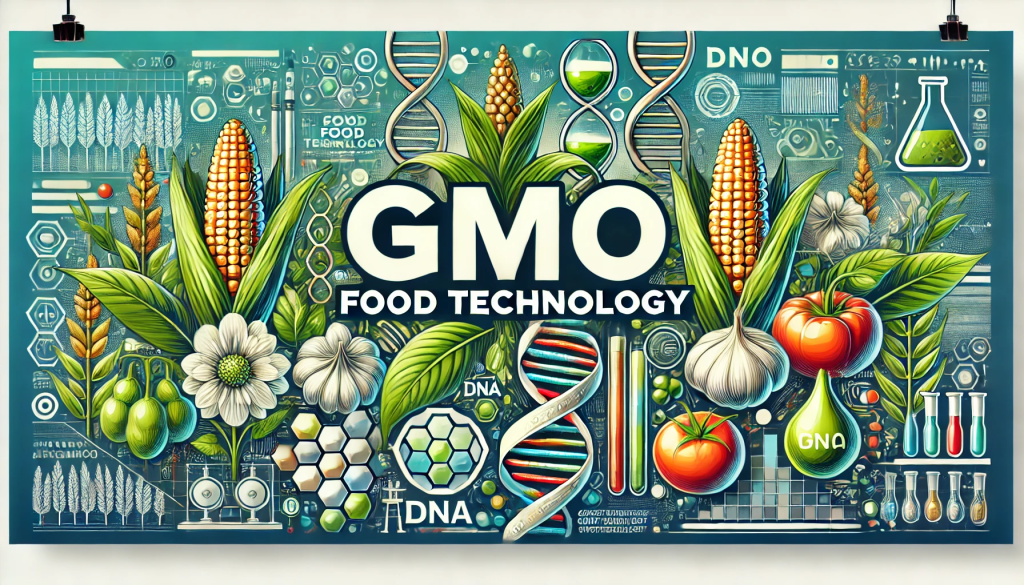
Positive Health Impacts of GMO Food
Genetically Modified Organisms (GMOs) have been a controversial topic in the food industry for decades. While some argue that GMOs improve food security, nutrition, and sustainability, critics warn about potential health risks and environmental concerns. This article explores the positive and negative health impacts of GMO food and how they affect our daily lives.


- Increased Nutritional Value
Scientists have modified crops to include higher levels of essential nutrients. For example, Biofortified wheat and maize provide more iron and zinc, reducing nutrient deficiencies. Golden Rice is enriched with vitamin A, helping prevent blindness and malnutrition in developing countries. These changes provide more vitamins and minerals from staple foods, reducing malnutrition-related diseases.
- Higher Crop Yields & Food Security
GMO crops are designed to resist pests, diseases, and harsh weather conditions leading to higher crop production and reducing food shortages. Foos also become more affordable food prices due to increased supply. Thus, increasing accessibility to nutritious food reducing hunger and improving overall health.
While we can debate the need for longer shelf life for our food, genetic modifications can slow down spoilage and help food to last longer. For example:
Food such as browning apples and potatoes stays fresh longer, reducing waste and are more appealing on the shelf. Food will also stay fresh longer in our home lowering household food costs.
- Reduced Need for Pesticides & Chemicals
The omission of added chemicals and pesticides to preserve the viability and quality of our food is indeed a forward positive step. Some GMOs, like corn and cotton, produce their natural insecticides, reducing the need for chemical pesticides that can be harmful to our health. This also reduces environmental contamination.
- Longer Shelf Life & Reduced Food Waste
While we can debate the need for longer shelf life for our food, genetic modifications can slow down spoilage and help food to last longer. For example, food such as browning apples and potatoes stays fresh longer, reducing waste and are more appealing on the shelf. In addition to this, the reduced spoilage rates contribute to a more sustainable food system by minimizing the amount of produce that is discarded before consumption. Food will also stay fresh longer in our home, ultimately lowering household food costs and allowing families to better plan their meals without the constant worry of ingredients spoiling quickly.
Negative Health Impacts of GMO Food
- Potential Allergic Reactions
Genetic modifications can introduce new proteins into foods, which may trigger allergic reactions in some people. The mixing of different protein DNA from a variety of food groups can provoke unknown allergies and create further food barriers for those at risk. For example, GMO soybeans once contained a Brazil nut gene, which caused unexpected allergic reactions. People with food allergies may need to be cautious when consuming GMO foods.
- Unknown Long-Term Health Effects
While studies show that GMO foods are generally safe, long-term effects are still debated. Some concerns include possible changes in gut bacteria. These changes can overwhelmingly impact our overall health and well-being leading to new diseases and susceptibility to all gastro-related disorders. There is a potential for unforeseen impacts on human health over generations due to a lack of long-term evidence.
- Increased Herbicide Use & Health Risks
On the contrary, where some GMO foods are resistant to diseases leading to fewer pesticides and chemicals usage, there are many GMO crops, such as Roundup Ready soybeans that are resistant to herbicides and require farmers to spray more weed-killing chemicals like glyphosate. Some studies link glyphosate to health risks like hormone disruption and potential cancer concerns. Increased exposure to herbicides through food and water may have long-term health consequences.
- Risk of Antibiotic Resistance
Some GMOs use antibiotic-resistant marker genes in their development. This has raised concerns that consuming GMO foods could contribute to antibiotic resistance. If antibiotic resistance increases, treating bacterial infections could become more difficult leading to complications and death.
Conclusion: Finding a Balance with GMO Foods
GMO foods offer many benefits, including improved nutrition, higher yields, and reduced food waste. However, concerns over allergies, herbicide exposure, and long-term effects make it essential to approach them with caution.
How to Make Informed Choices About GMO Foods:
Choose GMO foods that provide clear nutritional benefits (e.g., Golden Rice, biofortified crops). Wash fruits and vegetables thoroughly to reduce pesticide residues.
Support transparent GMO labelling to make informed food choices.
GMO foods can play a vital role in ensuring global food security while protecting human health.

 Food Hypocrites
Leave a comment