
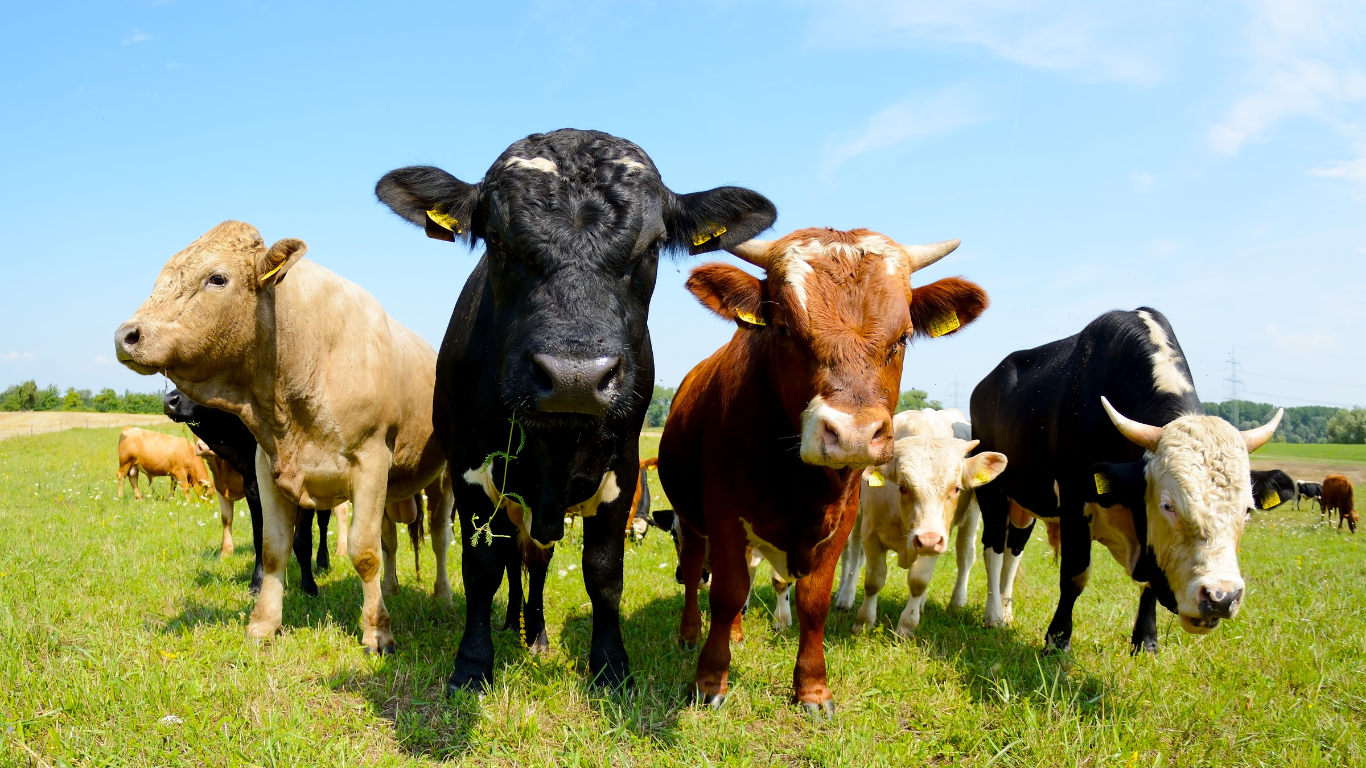

Crossbreeding for perfection.
We are reminded that we are a byproduct of cross-breeding, and our food has been the same throughout history. The memory of tying a similar plant to another with soil to create a joint root (tree grafting) and selecting particular animals of the same classification but with vast physicality to breed are the foundations for genetic modification organisms. Ancient farmers would manipulate their produce to create healthier, larger, and more distinctive crops and animals to improve quality and stability.
The U. S Food and Drug Administration highlighted that “Most of the foods we eat today were created through traditional breeding methods. But changing plants and animals through traditional breeding can take a long time, and it is difficult to make very specific changes. After scientists developed genetic engineering in the 1970s, they were able to make similar changes in a more specific way and in a shorter amount of time”.
The importance of crossbreeding.
This specific selection of DNA through genetic engineering is similar to those done in other aspects of our lives to keep us healthy, cure diseases, and provide information for future improvements. This modification and manipulation of our food hope to preserve prominent aspects of our historical farming byproducts, through resistance to diseases and disasters that would have made them extinct. The most common foods and byproducts were also modified to secure production on a large scale making them available to a growing population. As we continue to expand on our health, leading to a longer life, the food that we need has to be replenished at an acceptable rate to meet the demands of all.
The acceptance of GMO food will forever be a debate as there are disadvantages to altering our food and unknown risks to ongoing innovation. However, all aspects of our lives change and affect us differently, thus varying opinions and experiences. The loss of control and continuous expansion of genetically modifying our food can be bothersome and troubling. Knowledge will provide the tools to protect and preserve whatever we can.
Understanding the benefits and necessity of an implementation is important for all and can lead to decisions that align with our nutrition goals.
References
ttps://www.fda.gov/food/agricultural-biotechnology/science-and-history-gmos-and-other-food-modification-processes

 Food Hypocrites
Leave a comment